Lawn Mowing Tips for Thick, Healthy Grass
The way your lawn is mowed has a bigger impact on its health than most people realize. As a lawn care company, we see it all the time. Homeowners invest in fertilization and weed control, but mowing habits can either support those results or work against them. If you want thicker, healthier grass in Ohio, a few simple mowing adjustments can make a real difference.
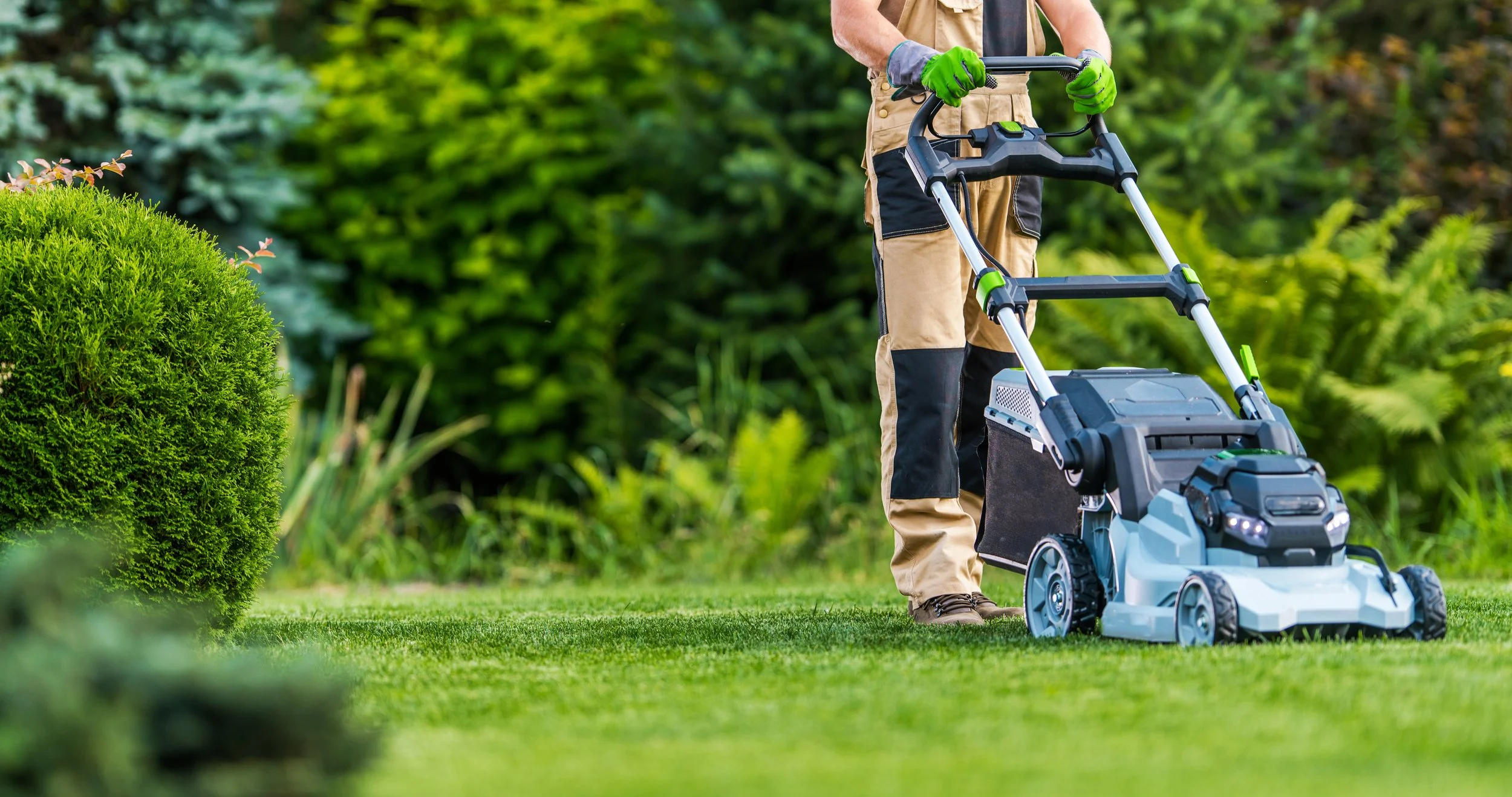
Keep Your Grass Taller
One of the most common mowing mistakes is cutting the lawn too short. It may seem like a way to mow less often, but it usually creates more stress for the grass. Shorter blades mean less surface area for photosynthesis, shallower roots, and more exposure to heat.
For many Eastlake, Ohio, lawns with cool-season grass, keeping the height around 3 to 4 inches is a smart range. Taller grass helps shade the soil, hold moisture longer, and reduce stress during warm summer stretches. It can also make it harder for weeds to take hold because there is less open space and sunlight reaching the soil surface.
If your lawn has been cut too low, it is better to raise the mowing height gradually. A sudden change is usually not the goal. Steady improvement is.
Follow the One-Third Rule
A simple rule that makes a big difference is this: try not to remove more than one-third of the grass blade in a single mowing. When too much is cut at once, the lawn can look scalped, recover more slowly, and become more vulnerable to stress.
This matters even more in spring, when growth often speeds up fast in Ohio. If the lawn gets too tall between mowings, it is usually better to bring it down over more than one cut instead of taking everything off at once. That approach is easier on the grass and helps it stay fuller and more even.
Sharp Blades Matter
Mowing height is important, but mower blade condition matters too. Dull blades do not cut grass cleanly. They tear it. That can leave the lawn with ragged, brown-looking tips and make it seem unhealthy even when the turf is otherwise in decent shape.
A clean cut is easier for the grass to recover from. It also helps the lawn keep a more even color and cleaner overall appearance. If the lawn looks frayed or faded shortly after mowing, dull blades are often part of the problem.
Mow Based on Growth, Not Just the Calendar
There is no perfect mowing schedule that works every single week of the season. Grass growth changes with temperature, rainfall, sunlight, and time of year. In spring, the lawn may grow quickly and need more frequent mowing. In summer, especially during hotter or drier periods, growth may slow down.
That is why mowing based on what the lawn is doing usually works better than following the exact same schedule no matter the conditions. A healthier routine is one that adjusts to the season and keeps the lawn within a good height range without cutting too much off at once.
Avoid Mowing When the Lawn Is Wet
Wet grass is harder to mow cleanly. It tends to clump, cut unevenly, and leave a mess behind. It can also create ruts or extra pressure on softer soil, especially if the lawn has had a lot of rain.
Whenever possible, it is better to mow when the grass is dry. The cut is usually cleaner, the clippings spread more evenly, and the lawn generally looks better afterward. This is one of those simple habits that helps improve results without adding much effort.
Change the Mowing Pattern
Mowing the same direction every time can train grass to lean one way and may create visible wear patterns over time. Changing direction helps the grass grow more upright and can improve the overall look of the lawn.
It also helps reduce repeated traffic in the same exact wheel paths. That is especially useful in areas that already deal with stress from heat, foot traffic, or thinner turf.
Leave Clippings When They Are Not Excessive
Grass clippings are not always something that needs to be bagged and removed. When the lawn is mowed at the right height and often enough, shorter clippings usually break down quickly and return some nutrients to the soil.
The key is not letting them pile up in thick, heavy clumps. If the grass is too tall or wet when it is cut, the clippings can smother the turf underneath and leave the lawn looking messy. In those cases, cleanup may be needed. But in general, light clippings can be beneficial rather than harmful.
Make Mowing Work With Your Lawn Care Program
Mowing works best when it supports the rest of your lawn care plan. Healthy turf responds better to mowing, and proper mowing helps lawn treatments work the way they should.
At Lawn Control Center, we recommend mowing one to two days before a fertilization visit and avoiding mowing on the day of service so products can properly reach the soil and turf. That kind of timing helps protect the lawn from unnecessary stress and helps the treatment do its job more effectively. Our seasonal programs are also structured around Ohio’s changing conditions, which is why mowing habits and treatment timing work best when they are aligned.
Consistency Is What Builds a Better Lawn
Most lawns do not improve because of one perfect mowing. They improve because the basics are handled consistently over time. Proper height, sharp blades, smart timing, and a mowing schedule that follows actual growth all help reduce stress and support stronger turf.
When those habits are paired with a good lawn care program, the results are easier to see. The lawn fills in better, holds color more consistently, and has a better chance of staying thick and healthy through Ohio’s changing seasons. Lawn care is about more than just mowing, but mowing still plays a big role in how successful the lawn looks and feels over time.
Related: Lawn Care in Fairfield Township, OH: 7 Signs Your Turf Is Battling Fungal Disease
About the Author
Yep. We're those guys – the guys who've spent their whole lives caring about a lawn the way most people care about their own backyard, the guys who'd rather tell you the truth than sell you something you don't need. Back in 2001, Phil and Brad were just two Ohio guys looking for a business to build together, printing postcards at OfficeMax and hand-addressing every single one. Since then, we've grown into the family-owned lawn care and pest control company Ohio homeowners have trusted for more than 20 years – now serving Tennessee too. We specialize in caring for residential and commercial properties, from seasonal fertilization and our 7-step weed control program to aeration, disease control, and pest management, all built around the hassle-free, no-upsell approach we started with on day one.